

Are you tired of sweating through scorching summer days and shivering during chilly winter nights? Have you ever wondered why your energy bills seem to skyrocket every time the seasons change? And let’s be honest—who hasn’t asked themselves whether there’s a better way to keep their home comfortable without breaking the bank?
Living in Australia means dealing with some pretty extreme temperature swings throughout the year. From the blistering heat of January to those surprisingly nippy July mornings, your heating and cooling system works overtime to keep you comfortable. But here’s the thing: most of us aren’t getting the most out of our systems. Whether you’re in Richmond or anywhere else across the country, understanding how to optimise your home’s climate control can save you serious money while keeping you cosy year-round.
In this guide, we’ll walk you through everything you need to know about making your heating and cooling setup work smarter, not harder. You’ll discover the different system options available, learn how much it actually costs to run air conditioning, and pick up some brilliant electricity saving tips that’ll make a real difference to your bills. Plus, we’ll cover seasonal maintenance, insulation tricks, and how to choose the right system for your specific needs. Let’s get stuck into it!
Understanding Your Heating and Cooling System Options
Split System Cooling and Heating: The Popular Choice
When it comes to heating and cooling systems, split system cooling and heating units have become incredibly popular across Australian homes. These versatile units consist of an indoor component and an outdoor compressor, working together to keep your space at the perfect temperature. They’re particularly brilliant for targeting specific rooms rather than heating or cooling your entire house.
The beauty of a heating cooling split system lies in its efficiency. Modern units come with impressive energy ratings, meaning they’ll keep you comfortable without guzzling electricity. They’re also relatively straightforward to install, making them a favourite for homeowners who want quick results without major renovations.
Ducted Heating and Cooling: Whole-Home Comfort
If you’re after consistent temperatures throughout your entire home, ducted heating and cooling might be your best bet. This system uses a central unit connected to ducts that run through your ceiling or floor, distributing conditioned air evenly across multiple rooms. It’s the ultimate solution for larger homes where individual split systems would be impractical.
While the upfront cost is higher, ducted systems offer zoning capabilities. This means you can heat or cool only the areas you’re using, which is a game-changer for energy efficiency.
Hot and Cold Fan Units: Budget-Friendly Alternatives
Not everyone needs a full HVAC system. Hot and cold fan units offer a budget-friendly alternative for renters or those in smaller spaces. These portable units can provide heating and cooling without installation costs, though they’re best suited for single rooms rather than whole-house climate control.
Electric Heat Versus Gas Heat: Which Is Right for Your Home?
The electric heat versus gas heat debate comes down to several factors. Electric heaters are typically cheaper to buy and install, while gas heating often costs less to run. Consider your existing infrastructure—if you’ve already got gas connected, it might make sense to stick with it. However, with electricity prices varying and solar panels becoming more common, electric options are increasingly competitive.
How Much Does It Cost to Run Air Conditioning?
AC Cost Per Hour: Breaking Down the Numbers
One of the most common questions homeowners ask is about ac cost per hour. The answer depends on your unit’s size, efficiency rating, and local electricity rates. On average, a medium-sized split system costs between 25 to 50 cents per hour to run. Larger ducted systems can cost significantly more, sometimes exceeding $1 per hour during peak usage.
Understanding aircon cost per hour helps you make informed decisions about when and how to use your system. Running your AC during off-peak electricity times can slash those costs considerably.
How Much Does an AC Unit Cost to Run Monthly?
So, how much does an ac unit cost to run over a month? For a typical household running their cooling system for about 8 hours daily during summer, you’re looking at roughly $60 to $150 monthly. This varies dramatically based on your thermostat settings, home insulation, and the efficiency of your unit.
When people ask how much does it cost to run air conditioning, the honest answer is: it depends. But with smart usage habits, you can keep those costs manageable.
What Is the Best Temperature for Air Conditioner in Summer?
Finding the best temperature for air conditioner in summer is crucial for balancing comfort and efficiency. Experts recommend setting your thermostat between 24-26°C during summer months. Each degree lower can increase your running costs by up to 10%, so resist the urge to crank it down to arctic levels!
Finding the Most Efficient Electric Heater in Australia
Comparing Indoor Gas Heaters and Electric Options
When searching for the most efficient electric heater Australia has to offer, it’s worth comparing your options carefully. Indoor gas heaters from retailers like Bunnings can be effective, but electric options have come a long way in terms of efficiency. Reverse-cycle split systems, in particular, are often the most cost-effective choice for heating because they move heat rather than generate it.
Energy Ratings: What to Look For
Always check energy star ratings before purchasing. The more stars, the more efficient the unit. A highly-rated heating and cooling system might cost more upfront but will save you money over its lifetime.
Electricity Saving Tips for Every Season
Summer Cooling Strategies That Won’t Break the Bank
Here are some practical electricity saving tips for keeping cool:
– Use ceiling fans alongside your AC to spread cool air
– Close blinds during the hottest parts of the day
– Set your thermostat a few degrees higher when you’re out
– Avoid using heat-generating appliances during peak afternoon hours
Winter Heating Hacks for Lower Bills
During colder months, focus on keeping warmth in:
– Use door snakes to block draughts
– Layer up before reaching for the thermostat
– Heat only the rooms you’re using
– Let sunshine in during the day, then close curtains at dusk
Smart Thermostat Settings for Year-Round Savings
Investing in a programmable thermostat can revolutionise your energy consumption. Set it to reduce heating or cooling while you’re asleep or away, and you’ll notice the difference on your bills immediately.
Seasonal Maintenance for Your HVAC System
Spring and Autumn Tune-Up Checklist
Your HVAC system needs regular attention to perform at its best. Every spring and autumn, make sure to:
– Clean or replace filters
– Check outdoor units for debris
– Test your system before peak season hits
– Inspect ductwork for leaks or damage
When to Call a Heating and Cooling Company
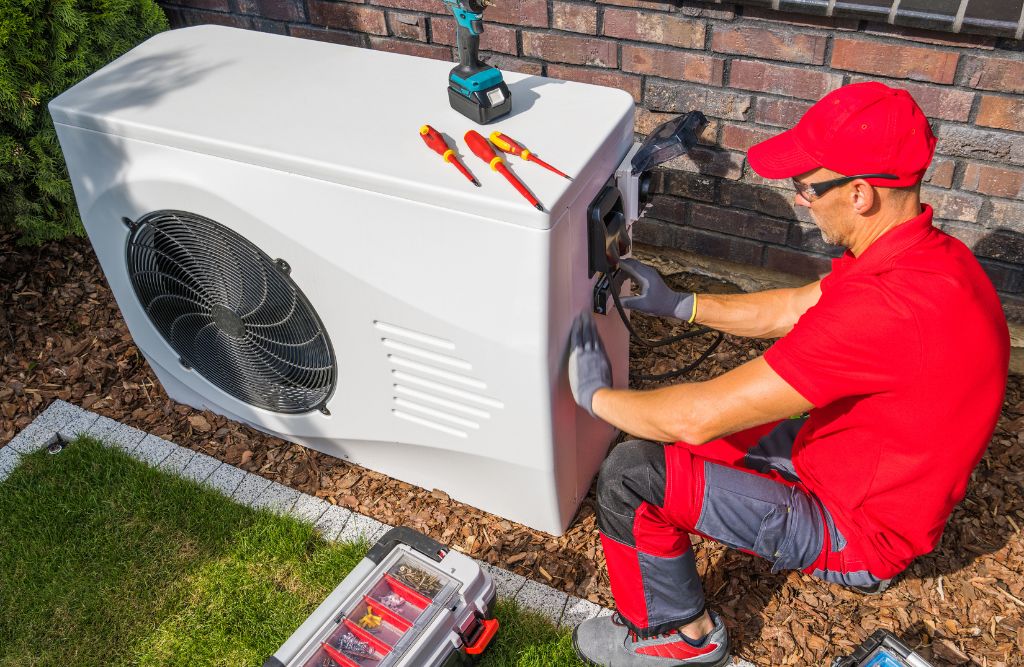
While DIY maintenance helps, some tasks require professionals. Contact a reputable heating and cooling company in Melbourne or Richmond when you notice unusual noises, reduced airflow, or inconsistent temperatures. Regular professional servicing extends your system’s lifespan significantly.
Optimising Your Home’s Insulation and Airflow
Sealing Gaps and Improving Thermal Efficiency
Your heating and cooling system can only work as well as your home allows. Gaps around doors, windows, and in your ceiling can let conditioned air escape, forcing your system to work harder. Sealing these gaps with weatherstripping or caulk is one of the most cost-effective improvements you can make.
Window Treatments and Shading Solutions
Quality curtains, blinds, and external shading can dramatically reduce heat gain in summer and heat loss in winter. Consider investing in blockout curtains for bedrooms and reflective window film for west-facing windows.
Choosing the Right Heating and Cooling System for Your Home
Factors to Consider Before Buying
Before investing in a new cooling and heating system, think about:
– Your home’s size and layout
– How many people live there
– Your budget for both purchase and running costs
– Existing infrastructure (gas, electrical capacity)
– Any future renovation plans
Installation Considerations for Richmond Homes
If you’re in Richmond, local climate patterns should influence your decision. Work with a local heating and cooling company who understands the area’s specific needs. Proper installation is just as important as choosing the right unit—poor installation can reduce efficiency by up to 30%.
Creating Comfortable, Energy-Efficient Living Spaces
Getting your home’s heating and cooling right isn’t rocket science, but it does require some thought and planning. We’ve covered the main system types, from split systems to ducted options, and explored how different choices affect your running costs. You’ve learned that finding the right temperature settings and maintaining your system regularly can make a massive difference to your energy bills.
The key takeaway here is that comfort and efficiency can absolutely go hand in hand. By implementing the electricity saving tips we’ve discussed, maintaining your HVAC system properly, and ensuring your home’s insulation is up to scratch, you’ll enjoy year-round comfort without dreading your next energy bill.
Ready to take action? Start with the simple changes—clean those filters, seal those gaps, and adjust your thermostat settings. Then, if you’re considering an upgrade or need expert support, reach out to a trusted heating and cooling Richmond specialist or a reputable Melbourne provider for professional advice tailored to your home. Your future self (and your wallet) will thank you!