

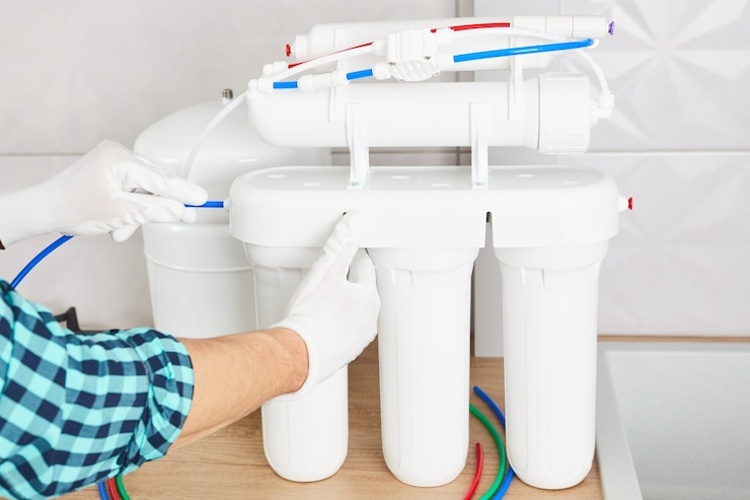
Water purifiers have become a must-have in Indian households, helping ensure the water we drink is clean and safe. With compact and efficient options like under-sink models and RO and UV filters, they’re now easier to fit into modern kitchens without taking up extra space. But like any appliance used daily, water purifiers can sometimes develop issues. It’s important to address these problems promptly to avoid compromising the quality of your drinking water. Therefore, understanding common problems and knowing how to troubleshoot them can help you resolve minor faults quickly and avoid unnecessary repair costs.
Common Water Purifier Problems
Water purifiers have become a part of everyday life in most homes, but they aren’t completely trouble-free. Over time, you might notice issues like slow filtration, odd tastes, or warning lights. These problems are usually signs that something needs attention. Knowing what to look out for can help you fix small issues before they turn into bigger ones.
1. Slow Water Flow
A frequent complaint among water purifier users is slow water flow. This issue often arises due to clogged filters, especially if the water supply contains high sediment levels. Over time, the filters accumulate impurities, reducing the flow rate.
How to fix:
Regular filter maintenance is important. Follow the manufacturer’s instructions for cleaning or replacing filters.
2. Water Tastes or Smells Strange
If your purified water has an unusual taste or odour, this may signal that the filters need replacement or that the storage tank requires cleaning. Sometimes, the activated carbon filter loses its effectiveness, allowing odours or tastes to persist.
How to fix:
Replace the carbon filter as per the recommended schedule. Additionally, sanitise the storage tank periodically to prevent bacterial growth.
3. Leaking Water Purifier
Leaks can occur due to loose fittings or damaged tubing. A leaking purifier not only wastes water but can also cause damage to your kitchen cabinetry, especially with an under-sink model.
How to fix:
Inspect all connections and tighten any loose fittings. If the tubing or joints are cracked or damaged, replace them promptly. It’s advisable to hire a professional if you are unsure about handling plumbing parts.
4. Frequent Power Issues
Water purifiers with electric components sometimes face power-related problems, such as the system not turning on or shutting down unexpectedly. This can be due to electrical faults or power surges.
How to fix:
Check the power supply and ensure the plug is firmly connected. Using a voltage stabiliser can protect your purifier from power fluctuations.
Maintaining Your Water Purifier: Best Practices
- Regular filter replacement: Follow the manufacturer’s guidelines closely.
- Routine cleaning: Keep storage tanks and external parts clean to avoid contamination.
- Periodic professional servicing: Annual check-ups by authorised technicians help detect issues early.
- Use genuine parts: Always opt for genuine filters and parts from trusted brands.
Conclusion
RO Water purifiers are vital for ensuring the health and wellbeing of your family, especially in urban India. Knowing how to identify and resolve common issues like slow flow, strange taste, leaks, or power problems can enhance the longevity and performance of your appliance.